
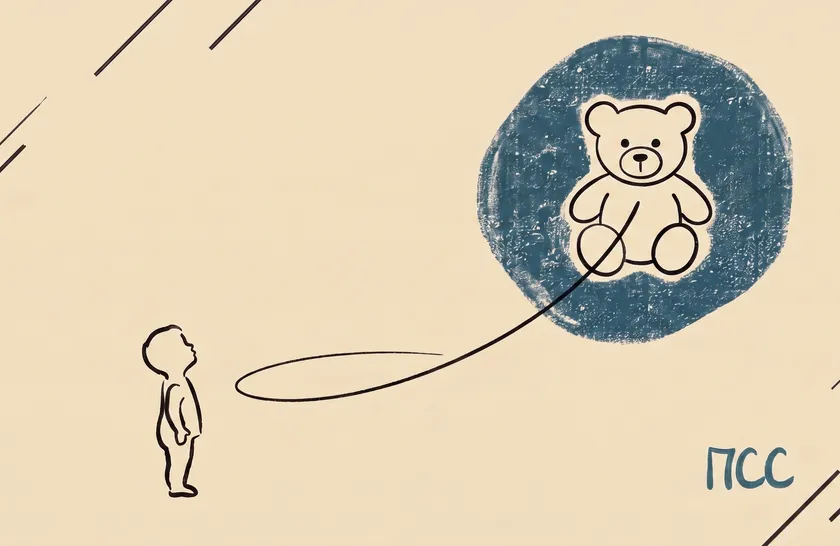
Children's Dreams
Freud spent a great deal of time studying dreams. The result of that work was “The Interpretation of Dreams,” published in 1900. He noticed that there’s a real difference between the dreams of adults and the dreams of children.
Studying children’s dreams, he concluded that in them “distortion is absent, or very slight.” In children up to about four or five, dreams are typically short, clear, easy to follow, and unambiguous. Freud explains this by pointing out that a child’s psychical activity is far less complex than an adult’s. He states: “to understand a child’s dream, no analysis is needed, and there’s no need to use our technique at all. There’s no need to question a child telling their dream. It’s enough to fill it in with a few minor biographical details from the child’s life. One can always find some experience from the previous day that explains the dream… A dream is the reaction of psychical life, during sleep, to that day’s experience.” And indeed, in most cases the manifest and latent content coincide, and where there is some distortion of the hidden thought, it’s entirely minor. In other words, a child’s dream is, quite simply, “an undisguised fulfilment of a wish.”