
The Screen Memory
Every one of us carries childhood memories. Often, within the family, relatives tell us not only about their own childhood but about ours. What we end up with, then, isn’t only our own memory but their memory of our childhood — and most of the time we remember it as if it were our own. Psychoanalysts would say it’s more accurate to speak of “memories relating to childhood,” since over time our memories can change, even be “overwritten.”
Freud concluded that “in the earliest childhood memories, it is usually the indifferent, secondary things that are retained, while the important, affect-laden impressions of that time leave no trace at all in adult memory” — not always, of course, but very often. The content of such seemingly indifferent memories is always tied to something repressed — a memory that resistance won’t allow to surface directly.
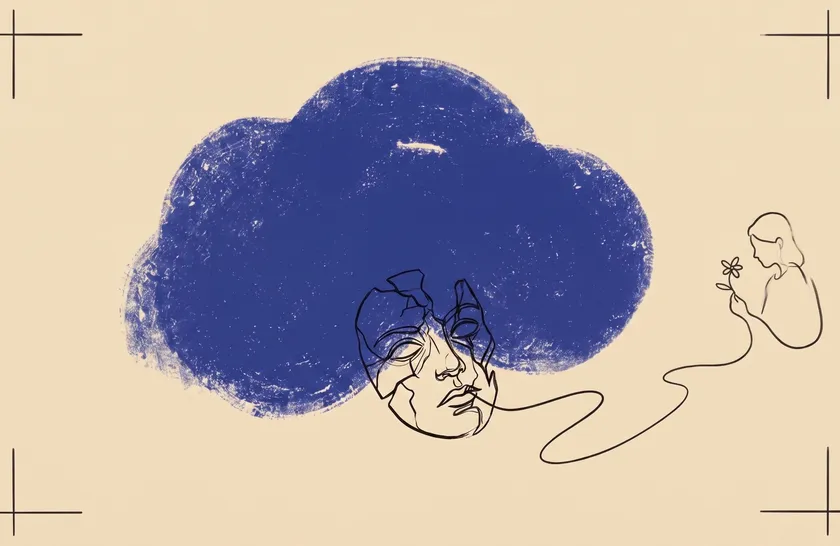
So a memory of some “insignificant event” may in fact be exactly that — a “screen memory” standing in for something unpleasant, something you might unexpectedly recall in the course of analysis.
In a session with an analyst, childhood memories always receive attention, and it matters little how accurate they are. You’ll most likely find that some of your memories are distorted, full of “holes,” displaced in time and space. Even where they turn out to be pure fantasy, they remain valuable material for the work.