
The Psychopathology of Everyday Life, or Freud on Slips and Lapses
With all his psychoanalytic attentiveness, Freud paid close attention to the smallest psychical happenings. His work “The Psychopathology of Everyday Life” is a detailed study of slips of the tongue, misprints, misreadings, mishearings, faulty recollection, forgetting (of words, names, intentions, and so on), bungled actions, and misplacing or mislaying things.
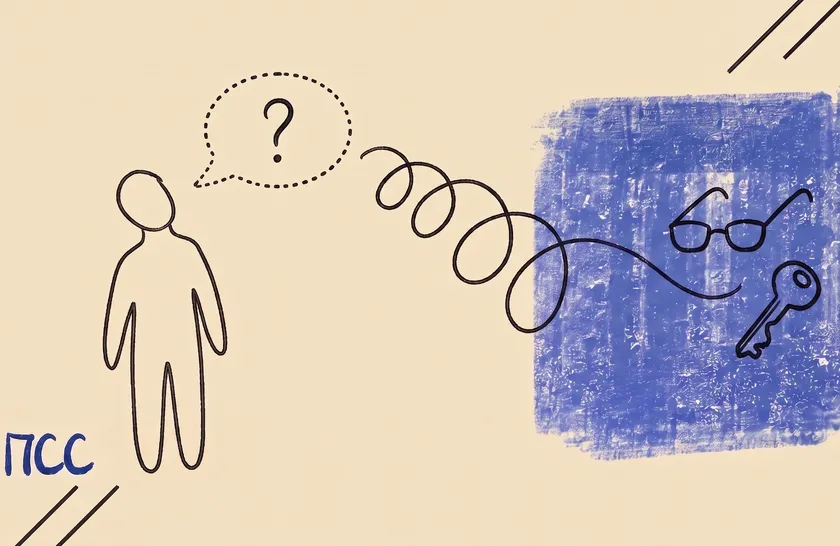
Have you ever run into anything like this in your own daily life? How often has a word you knew perfectly well slipped away from you mid-sentence? Or your companion misspoke in conversation — or maybe you simply misheard a word they said? Have you ever been unable to remember where you put something? Or mixed up the time or place of an appointment?
Of course, you might say, to err is human. Most people don’t give such things a second thought, writing them off as chance.
But Freud believed all of this has an explanation, and it’s connected to how our psyche is built. In analysis, these “coincidences” are given real weight. Following the chains of association that lead to them, it becomes possible to understand why a particular slip happened, and how. Gradually, session by session, you come to know yourself better — and become more attentive to what happens both in your meetings with your analyst and in your life outside them.