
The Idea of Norm and Pathology in Psychoanalysis
Most people mistakenly assume psychoanalysis is somehow a branch of psychology or psychiatry. In reality, psychoanalysis sits at the crossroads of disciplines like linguistics, philosophy, cultural studies, literature, film, and more.
The main thing that sets psychoanalysis apart from every other psychological discipline is this: once you start therapy, you won’t encounter the familiar categories of “normal” and “pathological.” So often, when someone turns to a specialist for help, they expect some diagnosis to be handed to them — a diagnosis behind which the person themselves, and their individuality, tend to disappear. With a specific diagnosis in hand, one can hope for a “universal treatment,” usually aimed at resolving the particular problem as quickly as possible, rather than its causes.
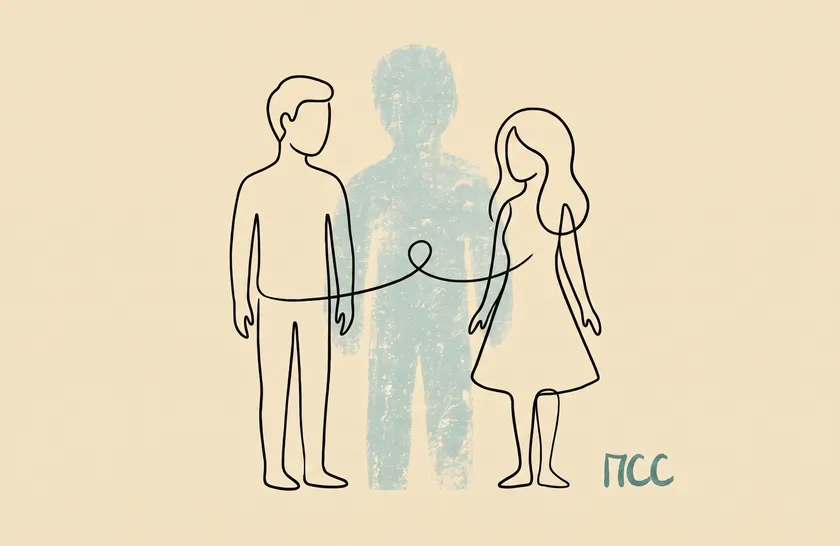
An analyst doesn’t work with the concepts of norm and pathology, doesn’t hand out diagnoses, and doesn’t attach labels. Psychoanalysis builds something else entirely — a unique relationship grounded in the fact that no two people, and no two problems, are alike. One of the central concepts in psychoanalysis is singularity (from the Latin singularis — “particular,” “unique”). It means that what matters, what receives attention in the room, is the psychic reality of this specific person. Whatever brings you to an analyst, it will be your own long journey toward yourself — one in which you get the chance to see the real cause behind what’s happening in your life.